
HOA Budget Planning in Estero, FL: How Boards Can Prepare for Rising Costs

Running a homeowners association involves dozens of decisions that homeowners may never see. Landscaping needs attention, vendors send invoices, common areas require maintenance, insurance policies need reviewing, and unexpected repairs can quickly change a community’s financial priorities.
For HOA board members in Estero, Florida, balancing these responsibilities while keeping assessments reasonable can be challenging.
Many board members are volunteers. They want to protect their community, maintain property values, and make responsible financial decisions, often while managing their own jobs and family commitments. Yet they are still expected to make decisions that affect every homeowner in the association.
That is why a well-planned budget matters.
A budget should do more than record last year’s expenses and estimate next year’s bills. It should help the board understand the community’s financial position, prepare for future needs, and explain its decisions clearly to residents.
For communities in Estero and throughout Southwest Florida, thoughtful HOA budget planning can make day-to-day operations more predictable and help reduce unpleasant financial surprises.
Why HOA Budget Planning Matters
An association’s budget affects much more than its monthly or annual assessments.
It influences how well common areas are maintained, whether vendors can be paid on time, how quickly repairs can be addressed, and whether the association is prepared for major future expenses.
Consider a community that has kept assessments unchanged for several years. On the surface, that may seem like good news for homeowners. However, if landscaping contracts, insurance premiums, utility costs, and maintenance expenses have increased, the association may gradually lose the financial flexibility it needs.
Eventually, the board may have to make difficult choices.
It might postpone necessary maintenance, reduce services, use available funds, or consider an assessment increase or special assessment where permitted and appropriate.
These situations are not always avoidable. Buildings and common areas age, costs change, and unexpected events happen. However, regular financial planning can help boards identify potential problems earlier.
The goal is not simply to keep assessments low. It is to establish a realistic financial plan that supports the community’s needs.
Start With the Association's Actual Expenses
Before preparing a new budget, the board should understand where the association’s money is currently going.
Reviewing the previous year’s budget is a useful starting point, but actual spending tells a more complete story.
For example, landscaping may have been budgeted at one amount, while additional tree work or irrigation repairs pushed the final expense higher. Similarly, an association might have underestimated the cost of pool maintenance, insurance, utilities, or building repairs.
These differences deserve attention.
Rather than automatically repeating last year’s figures, the board should ask why actual expenses differed from the original estimates.
A practical review should include:
Landscaping and grounds maintenance
Insurance premiums and related expenses
Utilities and shared services
Routine repairs and maintenance
Administrative and professional fees
Common-area equipment and amenity costs
Contributions to applicable reserve accounts
The precise categories will depend on the community, its governing documents, and its responsibilities.
For Estero associations, it is also sensible to review local service contracts carefully. A vendor agreement that once represented good value may no longer be competitive or may not reflect the community’s current needs.
Understanding the numbers gives the board a stronger foundation for its next decisions.
Look Beyond the Next Twelve Months
One of the most common budgeting challenges is focusing too heavily on the immediate future.
Annual budgets are essential, but communities also need to consider what may happen several years from now.
Roofs eventually need replacement. Roads and pavement deteriorate. Exterior surfaces require attention. Pool equipment, irrigation systems, gates, and other shared assets wear out over time.
These expenses may not occur every year, but they should not come as a surprise.
Boards should maintain an inventory of major common assets, review their condition, and consider when significant maintenance or replacement may be necessary. Qualified inspections, contractor estimates, and reserve studies can help inform these decisions.
This is especially important for condominium associations, where building components and structural systems may involve substantial costs and specific statutory requirements.
Florida’s condominium laws include provisions governing reserve funding and structural integrity reserve studies for associations subject to those requirements. Homeowners associations operate under a different statutory framework. Boards should therefore confirm which requirements apply to their particular community rather than assuming the rules are identical.
The Florida Legislature provides the current statutes for both types of associations:
Florida Statutes, Chapter 718 — Condominiums
Florida Statutes, Chapter 720 — Homeowners’ Associations
A long-term maintenance plan helps connect today’s financial decisions with tomorrow’s responsibilities.
Understand the Difference Between Operating Funds and Reserves
Operating funds and reserves serve different purposes.
Operating funds generally cover the association’s regular expenses, such as landscaping, utilities, management services, routine maintenance, and administrative costs.
Reserve funds are intended for specified future capital expenditures and deferred maintenance, subject to the applicable laws and governing documents.
The distinction matters because an association can appear financially comfortable while still being unprepared for a major expense.
Imagine that a community has enough money to cover its current monthly bills but has not adequately planned for a significant future repair. The association may be managing its daily operations successfully while facing a substantial financial challenge down the road.
Boards should review both their operating position and their long-term funding needs.
For condominium associations, certain reserve requirements are established by Florida law. For homeowners associations, the applicable requirements can differ according to the law and governing documents. Professional financial guidance and legal advice may be appropriate when determining the correct treatment of association funds.
A healthy budget should reflect both the cost of running the community today and the responsibility of maintaining it for the future.
Review Vendor Contracts Before Renewal
Vendor contracts can account for a significant share of an association’s operating expenses.
Landscaping, cleaning, pool maintenance, security, waste services, and other contracted work all contribute to the community’s overall costs.
However, reviewing a contract should involve more than comparing its price with last year’s invoice.
The board should consider what the agreement actually covers, whether the work is being completed as expected, how additional services are billed, and whether the contract still meets the community’s needs.
Before renewing an agreement, ask a few practical questions:
Has the scope of work changed?
Are service levels meeting expectations?
Are there additional fees or exclusions?
Does the agreement explain renewal and cancellation terms?
Would obtaining alternative proposals be worthwhile?
Is the association following applicable bidding requirements and its governing documents?
The cheapest proposal is not automatically the best option. An unusually low price may come with reduced service, exclusions, or additional charges.
A careful review helps the board make decisions based on value rather than price alone.
It also creates an opportunity to address recurring service problems before another contract period begins.
Prepare for Unexpected Expenses Without Guessing
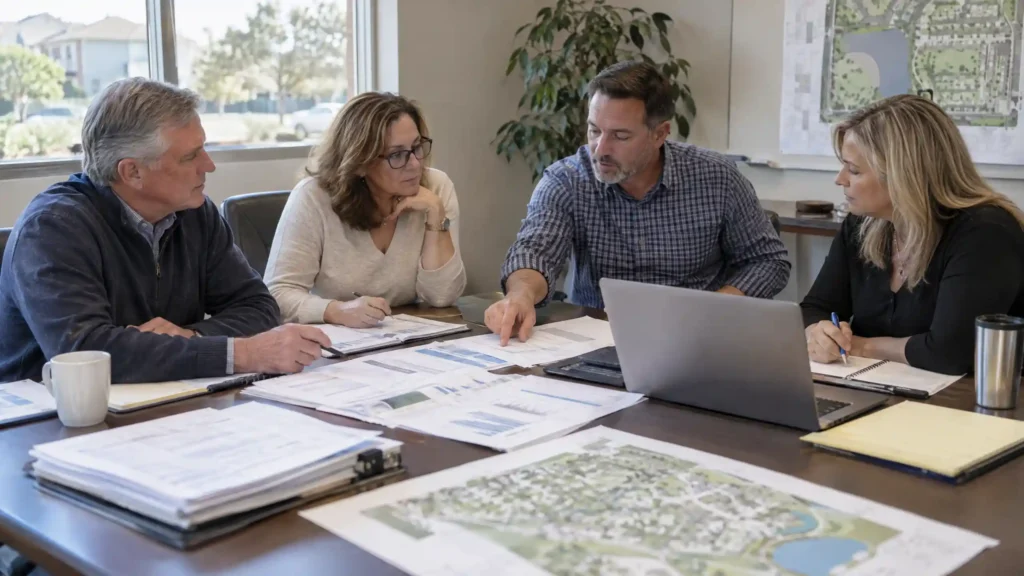
Even a carefully prepared budget cannot predict every expense.
Storm damage, equipment failure, plumbing problems, and other unexpected events can require immediate attention. In Southwest Florida, associations also need to consider how weather exposure and the condition of their common assets affect maintenance planning.
The answer is not to add an arbitrary amount to every budget category.
Instead, boards should review the association’s history, current financial position, insurance coverage, known property risks, and applicable funding requirements. That information can help them determine how best to prepare for unplanned costs.
It is also important to understand the association’s insurance policies, including relevant deductibles, exclusions, coverage limits, and responsibilities. Insurance professionals can help the board understand how the policies apply to its specific property.
Emergency planning should complement, not replace, sound financial planning.
When an unexpected expense occurs, clear records and an established decision-making process make it easier to evaluate options and communicate with homeowners.
Make Financial Reports Understandable to Homeowners
A budget can be technically accurate and still leave homeowners confused.
Residents may want to know why assessments are changing, why a maintenance project is necessary, or why the association is setting aside funds for an expense that may not occur for years.
If the board cannot explain these decisions clearly, frustration can grow even when the financial plan is reasonable.
Financial transparency helps bridge that gap.
Homeowners should be able to understand the association’s major expenses, the purpose of its funding decisions, and the factors that may influence future costs.
For example, rather than simply announcing that landscaping expenses are increasing, the board can explain whether the change reflects a contract renewal, additional services, or higher operating costs.
Likewise, when planning a major repair, the board can explain the property’s condition, the available estimates, the proposed funding approach, and the next steps.
Financial reports should be prepared accurately and in accordance with applicable requirements. Board members should also ensure that information is shared through appropriate channels and that official records are maintained properly.
Clear communication does not guarantee that every homeowner will agree with every decision. It does, however, help residents understand how the board reached its conclusions.
Build the Budget Around the Community's Actual Needs
No two communities have precisely the same financial priorities.
A smaller HOA with limited common areas may have a relatively straightforward operating budget. A condominium association with shared building systems, elevators, extensive amenities, or significant structural responsibilities may face a much more complicated planning process.
Estero communities can vary considerably in size, age, design, and the services they provide.
That is why copying another association’s budget is rarely a good solution.
Instead, the board should consider the community’s current condition, contractual obligations, maintenance responsibilities, long-term plans, and applicable legal requirements.
It should also consider the homeowners who ultimately fund the association’s operations.
A realistic budget balances the need to maintain shared property with the responsibility to use association funds carefully. It should be supported by actual information, not simply by a desire to avoid difficult conversations about costs.
Create a Repeatable Annual Budgeting Process
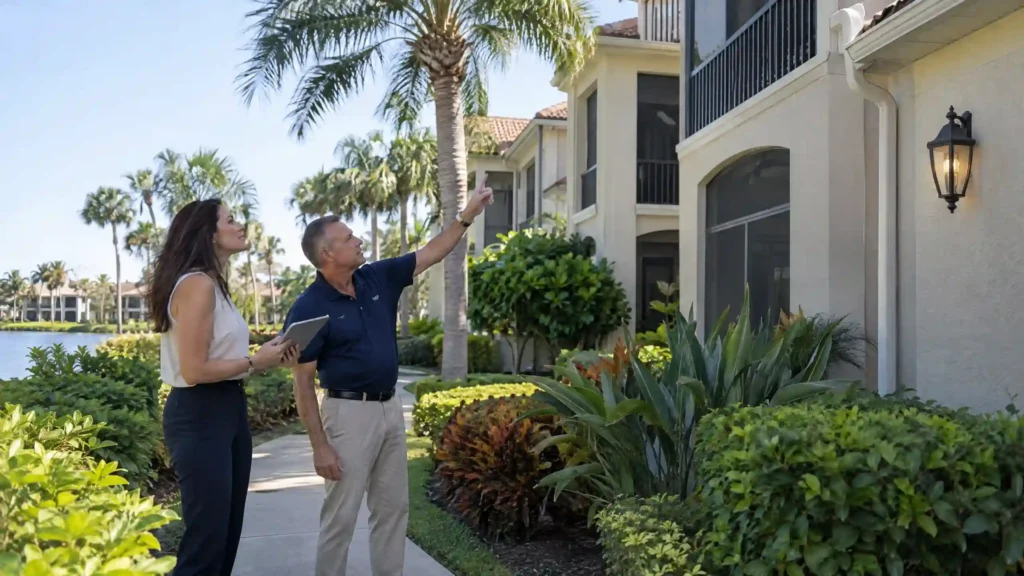
Budget preparation becomes easier when it follows a consistent schedule.
Rather than waiting until the last minute, boards can establish a process that gives them time to review financial records, obtain estimates, evaluate upcoming projects, and discuss proposed changes.
A practical annual process might include the following steps:
1. Review the current financial position. Examine actual spending, available funds, outstanding obligations, and any differences between the budget and actual results.
2. Identify upcoming expenses. Review contract renewals, scheduled maintenance, insurance renewals, and anticipated repairs.
3. Assess long-term funding needs. Review reserve information, property conditions, and planned capital projects, taking applicable statutory requirements into account.
4. Prepare realistic estimates. Obtain current vendor pricing and use reliable information rather than automatically carrying forward outdated figures.
5. Review the proposed budget. Give the board sufficient time to ask questions, evaluate alternatives, and follow the association’s required procedures.
6. Explain the decisions. Communicate significant changes and the reasons behind them to homeowners through appropriate channels.
7. Monitor results throughout the year. Compare actual spending with the budget regularly and investigate significant differences.
This process does not eliminate financial uncertainty. It helps the board respond to changing circumstances with better information.
When Professional HOA Financial Management Can Help
Volunteer board members bring valuable knowledge of their communities. However, financial planning can become demanding when they are also responsible for meetings, homeowner concerns, vendor relationships, maintenance decisions, and compliance matters.
Professional community management can help organize financial records, prepare reports, coordinate budgeting activities, track expenses, and provide the board with clearer information for decision-making.
For associations in Estero and throughout Southwest Florida, local knowledge can also help when evaluating service providers, coordinating maintenance, and planning for the needs of the community.
Homestead Property Management South provides finance and accounting services for homeowners associations, condominium associations, and residential communities. Its services include billing, collections, financial reporting, budgeting, and income-and-expense forecasting.
The board remains responsible for its decisions, but having organized financial information and dependable administrative support can make those decisions easier to evaluate.
If your board is spending more time trying to understand the numbers than planning for the community’s future, it may be worth reviewing whether your current financial management process is meeting your needs.
A Better Budget Starts With Better Information
Good HOA budget planning is not about predicting every expense or preventing every assessment increase.
It is about understanding the community’s financial position, recognizing future responsibilities, and making informed decisions before problems become urgent.
For Estero HOA and condominium boards, that means reviewing actual expenses, planning for major repairs, understanding reserve obligations, evaluating vendor contracts, and communicating financial decisions clearly.
These habits help create a more organized approach to community management and give homeowners a clearer picture of how their association is being operated.
A budget is ultimately a plan for taking care of a shared investment. When that plan is realistic, transparent, and regularly reviewed, the entire community benefits.
If your Estero association needs support with budgeting, financial reporting, or day-to-day community operations, Homestead Property Management South can help your board explore a management approach suited to your community’s needs.
Reliable external sources:
Florida Legislature — Chapter 720: Homeowners’ Associations. Official statutory source for HOA governance, budgets, and financial reporting.
Florida Legislature — Chapter 718: Condominiums. Official statutory source for condominium association responsibilities, budgets, and applicable reserve requirements.