
Rental Property Maintenance Tips for Florida's Rainy Season in Estero, FL
Owning a rental property in Estero, Florida, comes with plenty of rewards, but it also means preparing for one of the state’s most challenging seasons. Between frequent afternoon thunderstorms, heavy rainfall, high humidity, and the occasional tropical system, Florida’s rainy season can take a toll on homes that aren’t properly maintained.
While some maintenance issues are impossible to predict, many expensive repairs begin as small problems that could have been prevented with routine inspections and timely upkeep. A clogged gutter, a loose roof shingle, or a neglected air conditioning system may seem minor at first. However, once heavy rain and humidity arrive, these issues can quickly turn into costly repairs, unhappy tenants, and unexpected vacancies.
Whether you own a single rental home or manage several investment properties in Estero, staying ahead of seasonal maintenance is one of the smartest ways to protect your investment. Here’s what every property owner should know before Florida’s rainy season reaches its peak.
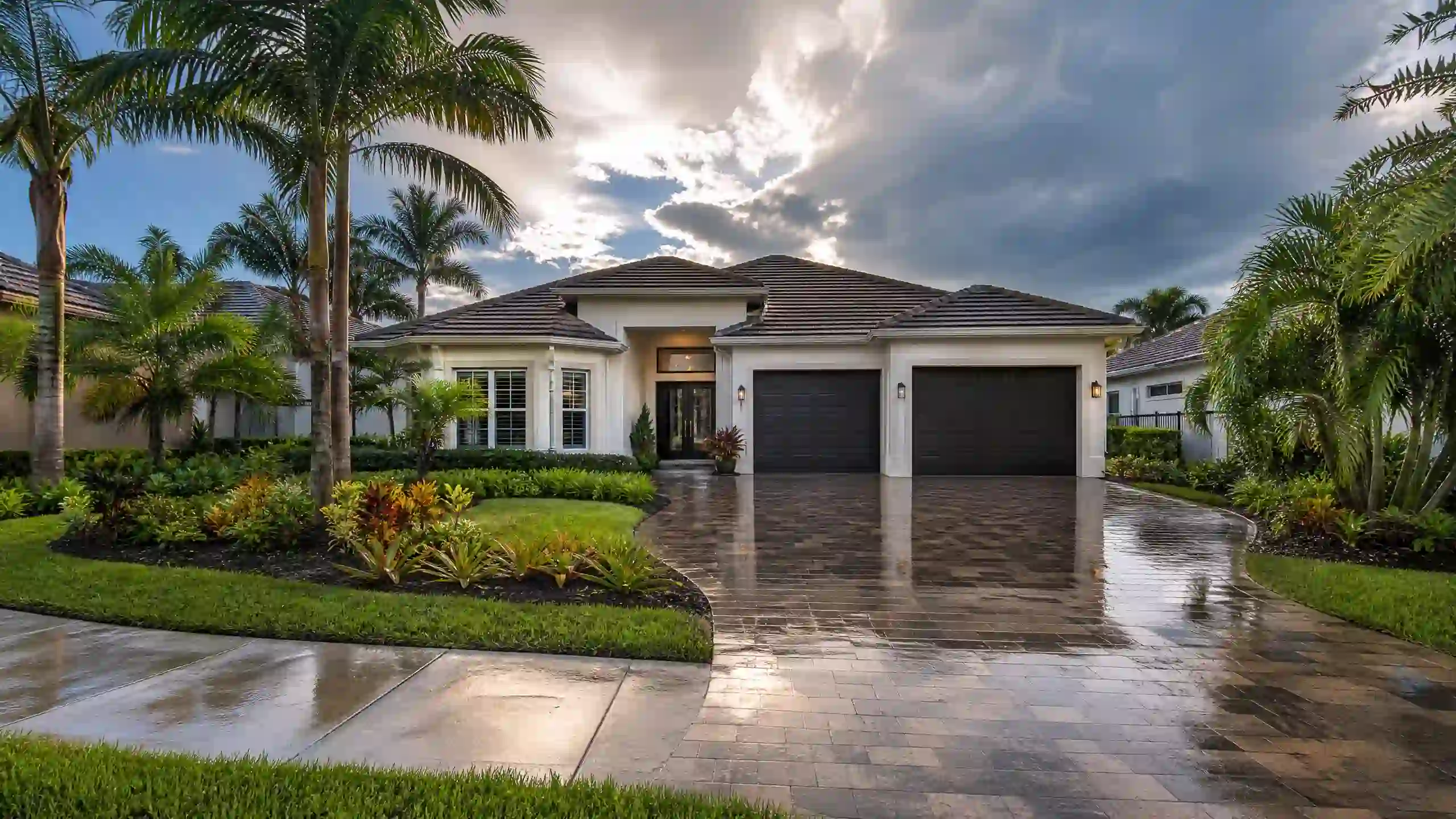
Why Florida's Rainy Season Requires Extra Attention
Florida experiences one of the longest rainy seasons in the country, typically lasting from late spring through early fall. During this time, Southwest Florida often sees intense but brief downpours, high humidity, and frequent lightning storms.
For rental properties, this combination creates unique challenges. Excess moisture can find its way into roofs, walls, windows, foundations, and HVAC systems. Even well-built homes require regular inspections because water has a way of finding the smallest vulnerabilities.
In Estero, where warm temperatures persist throughout much of the year, moisture also creates ideal conditions for mold growth if leaks or humidity are left untreated. Preventive maintenance helps stop these problems before they become expensive restoration projects.
Start at the Top: Inspect the Roof
A roof serves as the home’s first line of defense against Florida’s weather. Unfortunately, many roofing problems aren’t obvious until water begins leaking inside.
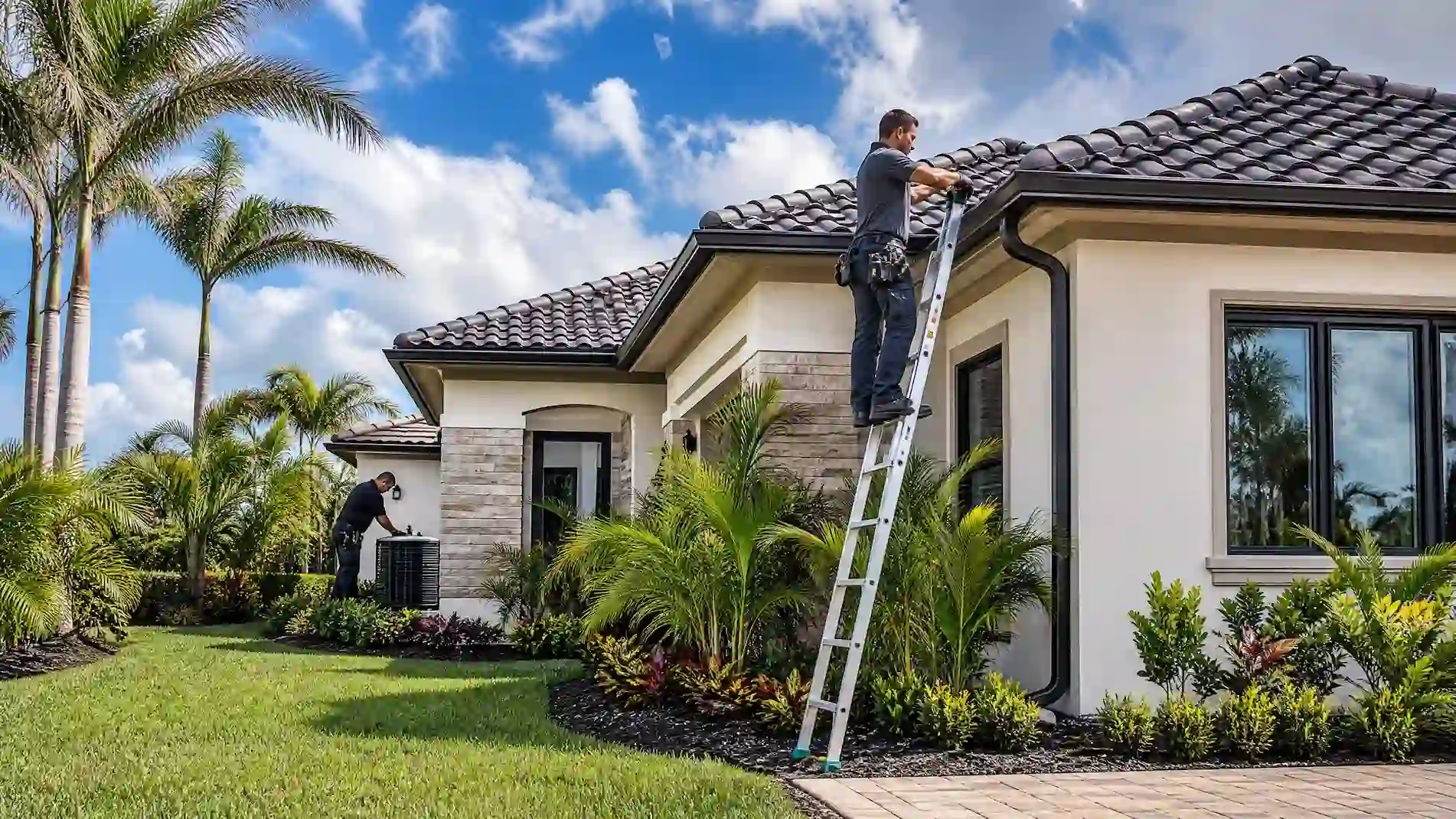
Before the rainy season reaches full strength, inspect the roof for missing or damaged shingles, cracked flashing around vents and chimneys, and signs of wear near roof penetrations. Tree branches hanging over the roof should also be trimmed back to reduce the risk of damage during storms.
Even a small leak can soak insulation, stain ceilings, and encourage mold growth long before it’s noticed by tenants. Scheduling a professional roof inspection every few years—or after a significant storm—can help identify concerns early.
Preventive roof maintenance often costs far less than repairing water damage inside the home.
Keep Gutters and Downspouts Clear
Gutters play an important role in directing rainwater away from the property. When they become clogged with leaves, pine needles, or debris, water can overflow and collect around the home’s foundation.
Over time, poor drainage may contribute to:
- Soil erosion
- Foundation movement
- Exterior staining
- Landscape damage
- Water intrusion around doors and windows
Cleaning gutters before the rainy season and checking them periodically afterward helps ensure rainwater flows safely away from the property. Downspouts should discharge water several feet from the home’s foundation whenever possible.
Although this maintenance task is simple, it’s one of the most effective ways to reduce water-related repairs.
Florida Humidity Can Create Hidden Problems
Rain isn’t the only concern during Florida’s wet season. High humidity affects homes even when the skies are clear.
Moisture trapped indoors may lead to condensation on windows, musty odors, peeling paint, warped wood, and mold growth in poorly ventilated spaces. Bathrooms, laundry rooms, kitchens, and closets are especially vulnerable because they naturally retain moisture.
Property owners should encourage tenants to use exhaust fans during showers and cooking while ensuring those fans are working properly. Regular inspections also help identify signs of excess humidity before larger issues develop.
Maintaining balanced indoor humidity improves comfort while protecting flooring, drywall, cabinetry, and personal belongings.
Don't Overlook the Air Conditioning System
In Southwest Florida, an air conditioning system does much more than cool the home. It also removes moisture from the air, helping maintain healthy indoor humidity levels.
A neglected HVAC system may struggle to control humidity, forcing it to work harder while increasing energy costs.
Routine maintenance should include:
- Replacing air filters regularly
- Inspecting condensate drain lines
- Cleaning outdoor units
- Checking refrigerant levels when needed
- Scheduling annual professional servicing
Well-maintained HVAC systems not only improve tenant comfort but can also extend equipment life and reduce the likelihood of emergency repairs during the hottest months of the year.
Check Windows and Doors for Water Intrusion
Heavy rain often exposes weaknesses around windows and exterior doors.
Inspect weather stripping, seals, and exterior caulking for cracks or deterioration. Small openings may allow rainwater to enter wall cavities, where moisture damage can remain hidden for months.
Replacing worn sealant is an inexpensive maintenance project that improves both water resistance and energy efficiency.
It’s also helpful to verify that windows open, close, and lock properly, ensuring tenants can safely ventilate the home when weather permits.
Landscaping Protects More Than Curb Appeal
A beautiful yard certainly attracts prospective tenants, but healthy landscaping also protects the property itself.
Trees with weak or overgrown branches should be trimmed before storm season to reduce the chance of limbs falling onto roofs, fences, or vehicles. Shrubs should remain several feet away from exterior walls to improve airflow and discourage pests.
Proper grading is equally important. Water should always flow away from the home’s foundation rather than pooling near the structure.
Regular lawn maintenance also discourages mosquitoes and other insects that thrive in standing water during Florida’s rainy months.
For rental properties in Estero, attractive landscaping creates a positive first impression while supporting the long-term health of the home.
Inspect Exterior Surfaces Before Small Issues Spread
Rain and humidity can accelerate wear on a home’s exterior.
Walk around the property and look for:
- Cracked siding
- Peeling paint
- Loose trim
- Damaged soffits
- Deteriorating caulk
- Foundation cracks
These seemingly minor issues may allow water to penetrate the building envelope over time. Addressing them early helps prevent larger structural repairs later.
Routine exterior inspections are especially valuable after strong thunderstorms or tropical weather.
Communicate With Tenants About Maintenance
Tenants are often the first to notice maintenance concerns, making communication an important part of property care.
Encourage residents to report leaks, unusual HVAC performance, standing water, or signs of mold as soon as they appear. Prompt reporting allows property owners to resolve problems before they worsen.
Providing tenants with seasonal reminders about changing HVAC filters, keeping patio drains clear, or reporting storm damage can also reduce maintenance costs throughout the year.
A responsive maintenance process helps build trust while creating a better rental experience.
Preventive Maintenance Protects Your Investment
Rental properties represent significant long-term investments. Like any investment, they perform best when properly maintained.
Preventive maintenance helps property owners:
- Reduce expensive emergency repairs
- Extend the lifespan of major home systems
- Improve tenant satisfaction
- Lower vacancy rates
- Preserve property value
- Protect rental income
Rather than reacting to problems after they occur, proactive maintenance keeps properties operating smoothly throughout Florida’s demanding climate.
For owners in Estero, FL, working with an experienced property management team can simplify seasonal maintenance by coordinating inspections, scheduling trusted vendors, and responding quickly when repairs are needed.
Protect Your Estero Rental Property Year-Round
Florida’s rainy season doesn’t have to bring unexpected repair bills. With routine inspections, regular maintenance, and prompt attention to small issues, property owners can significantly reduce the risk of water damage, mold, and costly emergency repairs.
Whether you’re managing one rental home or building a growing investment portfolio, seasonal maintenance is one of the best ways to protect both your property and your rental income. By staying ahead of Florida’s weather, you’ll provide a safer, more comfortable home for tenants while preserving the long-term value of your investment.
References:
- National Weather Service (NOAA) – Florida weather and severe storm preparedness
- Federal Emergency Management Agency (FEMA) – Flood and storm preparedness for homeowners
- U.S. Environmental Protection Agency (EPA) – Mold, moisture, and indoor air quality guidance
- University of Florida IFAS Extension – Home maintenance, landscaping, and Florida climate resources